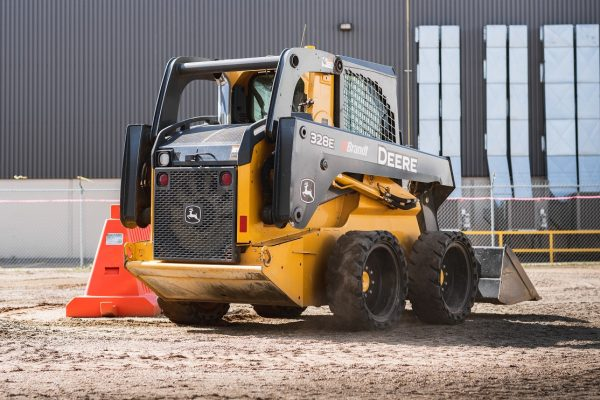
Skid steers are small, but the risks around them are not. For many Canadian crews, this machine is the workhorse on-site, helping with digging, grading, hauling, and cleanup. When the same few people are trying to do everything, it is easy to treat the skid steer like a simple tool instead of what it really is: heavy equipment that can cause serious harm if something goes wrong.
In this article, we will look at what skid steer certification training actually covers, how it affects safety, productivity, and liability for small teams, and why it can be one of the smartest investments a crew leader makes. If you run a small crew or supervise one, this is about protecting your people, your schedule, and your business.
Small Crew, Big Risks with Skid Steers
A typical small Canadian crew often has:
- Tight timelines and shifting priorities
- Operators who jump between tasks all day
- A mix of seasoned workers and new hires
- One skid steer that is expected to do a bit of everything
In that kind of setup, the skid steer can feel like the easy machine. People may think, “It is small, so it must be simple.” That mindset leads to shortcuts, like no spotter, quick climbs in and out of the cab, or moving loads close to edges without much thought.
Common problems we see with undertrained operators include:
- Unsafe entry and exit from the cab
- Working too fast in tight spaces with ground workers nearby
- Poor understanding of tipping risks on slopes or soft ground
- Using the wrong attachment for the task
Skid steer certification training is not just about meeting a rule or passing an inspection. For small crews, it is a way to put structure around how the machine is used so habits are safer, work is smoother, and everyone treats the equipment with the respect it deserves.
What Skid Steer Certification Training Really Covers
Good certification training goes far beyond “pull this lever to lift the bucket.” It focuses on how to work safely in real conditions. Core topics usually include:
- Hazard recognition, such as blind spots, overhead power lines, and soft ground
- Stability and tipping, including safe slopes and how load position changes balance
- Load handling, like working within capacity and avoiding sudden movements
- Safe entry and exit, three-point contact, and lockout of controls
- Ground worker awareness and communication with spotters
- Working around pedestrians, vehicles, and other machines
There is also an important admin side that many employers overlook. Formal training helps with:
- Documenting who has been trained and when
- Verifying operator competency through tests and practical evaluations
- Setting refresher timelines or retraining after an incident or equipment change
- Supporting due diligence under Canadian OHS laws that require employers to ensure training and competency
Training can be delivered in different ways, such as in-person sessions, live virtual classes, or eLearning for theory. When this is backed by a certification-focused learning management system, records are easy to store, update, and find during audits or inspections.
Training Costs Compared to Accidents on Site
Some small employers worry about pulling people off the tools for training. It feels like lost time. But the cost of even a minor skid steer incident usually hits much harder, especially for a small team.
A single event can bring:
- Equipment damage and repair delays
- Medical care and possible time off for injured workers
- Higher WSIB or WCB premiums after a claim
- Schedule changes that throw off the whole crew and upset clients
Then there are the hidden hits that never show on a bill:
- Crew confidence drops after a close call
- Work is rushed to catch up, which can create more mistakes
- Client trust is strained when the project falls behind
For small crews, there is less backup and less slack in the schedule. One bad day with a skid steer can ripple through the entire season. Seen that way, skid steer certification training becomes financial risk management, not just another expense.
How Training Boosts Productivity for Small Crews
Safety and productivity are not opposites. With skid steers, they usually go hand in hand. When everyone learns the same methods and follows the same rules, work becomes more predictable and smoother.
Trained operators tend to:
- Plan travel paths and staging areas so loads move once, not three times
- Work with spotters instead of guessing what is behind them
- Use the right attachments correctly, which reduces wear and breakdowns
- Keep the work area cleaner and more organized as they go
This shows up on site as:
- Faster, cleaner material handling
- Less rework because trenches, grades, and stockpiles are done right the first time
- Fewer “on-the-fly” corrections from supervisors who should be focusing on the bigger picture
For a small crew, that consistency can be the difference between always scrambling and staying on top of the job.
Compliance, Liability, and Protecting Your Business
Across Canada, employers have clear responsibilities under OHS regulations. They must:
- Ensure workers are competent to operate the equipment they use
- Provide training and instruction that match the hazards on site
- Be able to show proof of training and competency if an inspector asks, or after an incident
Documented skid steer certification training is a key part of showing that you took reasonable steps to keep people safe. If there is an incident, having proper records, evaluations, and refresher training in place can help demonstrate that you acted with due diligence.
This kind of documentation also supports:
- Better standing with insurers that ask about safety programs
- Stronger prequalification packages when bidding on larger projects
- Meeting client expectations when they demand proof of operator training before work starts
Choosing the Right Skid Steer Training Partner
Not all training is the same, and small crews need options that fit real life. Useful things to look for in a training provider include:
- Canadian-focused content that reflects local OHS rules and conditions
- Up-to-date information on current standards and good practice
- Instructors who know skid steers and typical job-site challenges
- Flexible delivery that works around busy seasons and changing weather
For many small teams, a blended model works very well. Operators can complete theory through eLearning or virtual sessions when it fits their schedule, then do a hands-on practical evaluation on the machine they actually use. This keeps learning flexible while still confirming real-world skills.
A certification-focused learning management system is also helpful, especially if you run several small sites or crews. It can:
- Store all training records in one place
- Track expiries and refresher needs
- Make proof of training quick to find for inspectors, clients, or internal checks
Make Your Next Busy Season Your Safest yet
The best time to tighten up skid steer practices is before work peaks. That is often when new hires, seasonal staff, and less experienced operators start handling equipment more often. Taking a step back to ask “Who is actually running our skid steer, and what training have they had?” can reveal gaps you did not notice before.
At LIFT Training, we work with Canadian employers of all sizes, including small, tight-knit crews that rely heavily on their skid steers. Skid steer certification training helps turn that everyday workhorse into a safer, more productive part of the job, rather than a constant source of worry in the back of your mind.
Advance Your Skid Steer Skills With Job-Ready Certification
If you are ready to operate with confidence and meet employer requirements, our skid steer certification training is designed to get you there safely and efficiently. At LIFT Training, we focus on practical, real-world skills so you can put your training to work right away. Reserve your spot today or contact us with any questions about upcoming course dates.