Learning about aerial work platform training can truly change the way we approach workplace safety and efficiency. With a focus on best practices, these techniques help workers feel secure when using their equipment. The right training makes a difference in keeping both the safety and efficiency of our teams on track. As we look at effective methods of training, we’ll see how these skills help build confidence on the job. Understanding how training fits into day-to-day operations also matters, especially in industries where safety is a top priority. Training isn’t just about passing a test, it’s about giving people the skills they need for success. We’re going to discuss what aerial work platforms are, how they’re used, what makes training so important, and the best ways to make learning stick. By the end, you’ll have a full picture of how aerial work platform training helps create strong, safe, and reliable teams.
Understanding Aerial Work Platforms
Aerial work platforms are machines that lift workers to heights safely. They are used across industries, like construction and maintenance, making it easier to reach high places. Using these machines means we have to pay careful attention to safety. Our focus on the right precautions keeps both operators and people nearby safe.
In Ontario, the Occupational Health and Safety Act (OHSA) directs how to operate these machines. It’s important to know these regulations as they help us build and follow the right safety protocols. By following OHSA rules, we stay compliant and keep our working environment safe.
LIFT Training’s aerial work platform training programs in Ontario are available as both online and in-person sessions, with hands-on evaluation, written theory modules, and certification management for easy tracking of employee recertification dates.
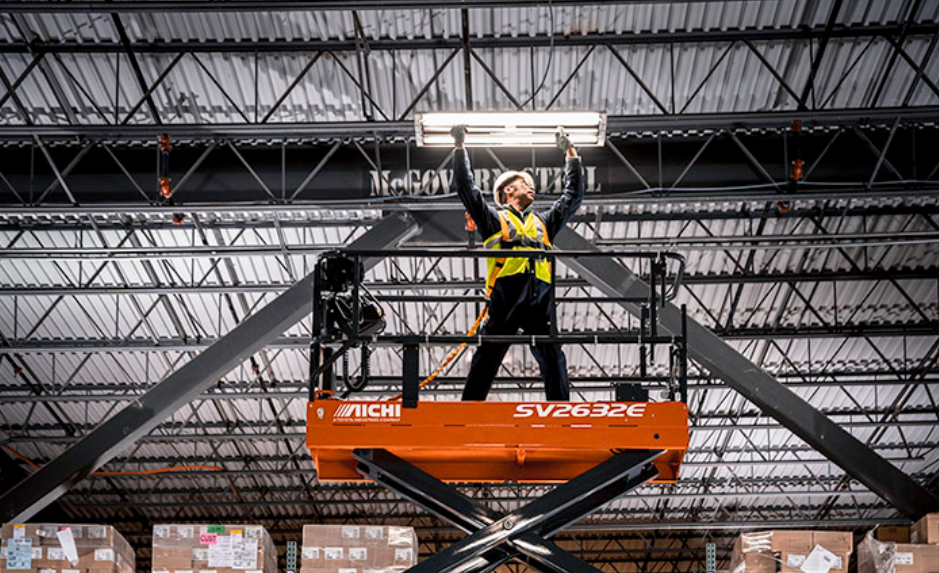
When we use aerial work platforms, there are different types of equipment chosen for specific jobs. For example, scissor lifts are steady and are often used inside buildings for low to medium heights. Boom lifts give more reach and flexibility, letting workers get to places that are hard to access. Portable aerial platforms are useful for smaller jobs or those that need quick set up and take down. Each type of machine has its own safety measures and advantages, so learning the differences is crucial.
It’s worth noting that aerial work platforms are an important investment for businesses. They make it possible to complete work at height more safely than ladders and other traditional means. For companies that regularly work in warehouses, on construction sites, or in large retail stores, making sure employees know how to use this equipment is a must. Safety training is a big part of reducing accidents and workplace injuries, not just for those on the machines but for everyone around them.
An additional part of staying safe is being aware of common hazards. These can include power lines, overhead obstacles, uneven surfaces, and even the weather. Proper training helps everyone know how to spot and handle potential dangers before starting work.
Key Techniques for Safe Operation
Safety when using aerial work platforms begins before the work starts.
- One important step is doing pre-operation inspections. This means checking the equipment closely to make sure it is working well and helps lower the risk of problems. Using checklists during these checks helps us make sure we look at every detail.
- On site, paying attention to our surroundings is key for safe operation. Our focus on the environment can prevent accidents. Checking things like ground stability and weather conditions matters before every task.
- Picking the right platform for the job is also necessary. Not every task needs the same type of platform, so choosing the one that fits keeps things running smoothly and safely. We should look at the height, reach, and load capacity needed for each job before getting started.
Our programs cover scissor lift, boom lift, and portable aerial platform safety, including hazard awareness and ground condition evaluation for Ontario job sites.
In addition, wearing the proper protective equipment is a big part of staying safe. Hard hats, harnesses, non-slip footwear, and high-visibility vests are all common requirements for aerial work. By wearing the right gear and making sure it is in good condition, workers reduce the chance of injury.
Workers must also learn the right ways to enter and exit the work platform. Safe mounting and dismounting practices mean using three points of contact, paying attention to foot placement, and never jumping off the platform. Even simple steps can prevent slips, trips, or falls.
Clear communication is another key safety technique. Before starting work, teams should talk about the job at hand, the specific site risks, and the steps that need to be taken. Using radios or agreed-on signals during the job helps make sure everyone stays informed, especially when visibility is limited.
Hands-on practice with these safety steps builds good habits that last. By repeating inspections, using equipment checklists, and going through site risk discussions, workers gain confidence and are more likely to spot problems before they become accidents.
Building Skills through Hands-On Practice
Hands-on practice is a big part of learning aerial work platform skills. These training sessions help us build skills as we work, which is helpful for real learning. Practicing in different places and conditions makes us better prepared, since work sites are never exactly the same.
Trainers with proper certification add strong support to our learning. Their expert guidance helps make sure we follow techniques the right way while staying safe. Knowing that we are being taught by trained professionals adds to our confidence in every step.
Our training uses real-world scenarios found on Ontario job sites to give operators experience with equipment setup, emergency procedures, and effective communication while working at height.
Practical training isn’t only for new operators, it’s an ongoing process that keeps all employees sharp. Being in a real or simulated work environment helps workers remember what to do when situations change. Sometimes, unusual conditions on a site mean people have to adapt, and practice lets them handle those changes safely. During hands-on sessions, workers can ask questions, work together, and get direct feedback from trainers, making learning an active process.
Practice also involves learning how to handle urgent situations. Instructors demonstrate what to do if a machine stops working or if an accident takes place. Practising emergency responses, like how to lower a lift if the controls stop working, ensures everyone knows what to do when time truly matters.
Embracing Continuous Learning
Learning should not stop when a certificate is earned. As equipment changes and safety standards get updated, ongoing education keeps us on track. Taking refresher courses helps us keep our skills sharp and builds a habit of safety.
- Keeping records of our training and certificates matters for compliance and staying ready for anything. Up-to-date records show we are committed to quality and help when we get inspected or audited.
Continuous learning is not limited to courses but can also include safety meetings, toolbox talks, and quick team reviews before starting a job. By making learning a normal part of the routine, it’s easier for everyone to stay current and aware.
Employers play a part in supporting ongoing education by making sure training resources are available. When employees have easy access to new information about equipment or updated rules, both the company and its workers benefit. Setting up a regular schedule for refresher sessions, safety meetings, and training reviews encourages everyone to keep learning.
Safety standards can change due to new technology or updated laws, and staying informed means fewer surprises down the line. Ongoing learning helps workers keep their confidence because they know they have the most current knowledge and skills.
Achieving Safety and Confidence in the Workplace
Careful aerial work platform training helps us keep a work environment that is both safe and steady. When we spend time learning and practicing these skills, we help everyone bring safety and efficiency to each project.
Well-trained workers bring confidence and reliability that is good for everyone. With knowledge from strong training, we complete our tasks knowing we have the skills and understanding we need to work safely.
A confident team knows how to spot risks before they turn into bigger issues. By working together and sharing what we’ve learned, we make safety a group effort instead of something that only one person has to worry about. The right training leaves workers prepared, ready for inspections, and comfortable with the different kinds of jobs they’ll be expected to do.
When safety is made a normal part of the workday through consistent training, teams can spend more time focused on doing quality work. This steady attention to safety helps create a workplace where everyone feels valued, supported, and able to do their best.
At LIFT Training, we know that proper training is the foundation of a safe and efficient workforce. Our skill in aerial work platform training makes sure your team has the ability and confidence to work safely at heights. As safety rules change, staying up to date matters for compliance and getting things done. By putting the focus on hands-on learning and steady education, we work hard to keep a strong standard for safety and quality. To see how we can help with your team’s training needs, contact us today.