Workplace safety is a topic that affects us all. Among the many tools and machinery in workplaces, forklifts often stand out as both important and potentially dangerous. This is where forklift safety training becomes important. Proper training equips operators with the skills they need and significantly reduces workplace accidents, creating a safer environment for everyone involved. By understanding the role and benefits of this training, we can appreciate how it adds to overall safety improvements within a workplace.
As industries continue to rely on heavy-duty equipment for daily operations, the need for comprehensive safety routines becomes more evident. Forklifts, with their ability to efficiently move goods and materials, are essential assets in many industrial settings. Yet, without the right training, their use can introduce risks that affect workers, management, and the productivity of an entire organization. Taking a closer look at how forklift safety training is structured helps us understand its vital role in reducing incidents and promoting a safety-first mindset.
Understanding Forklift Safety Training
Forklift safety training is an important process for those working in various industrial environments. At its core, this training involves teaching individuals how to operate forklifts safely and efficiently. Participants learn about proper equipment handling, from start-up procedures to moving safely in tight spaces. Safety protocols are well covered, including understanding load capacities and keeping stability. Just as important is the connection between this training and following the Occupational Health and Safety Act (OHSA). By following OHSA guidelines, we make sure our workplaces follow regulations that keep everyone safe.
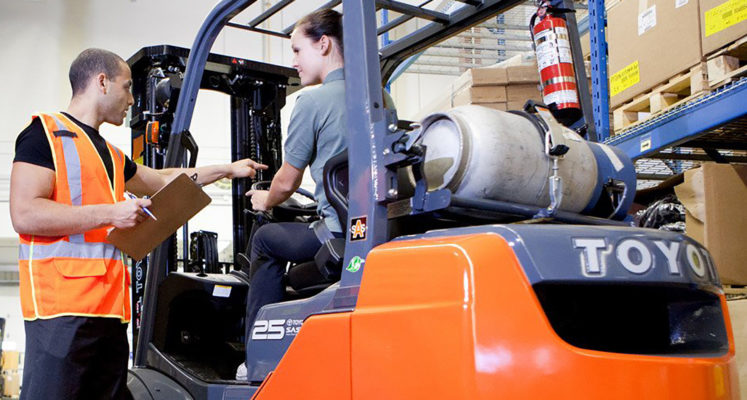
Our forklift operator training meets Ontario Ministry of Labour, Immigration, Training and Skills Development standards and is available in both in-person and online formats to suit different company needs. Training includes classroom instruction, hands-on practical training with real forklift equipment, and a written and practical evaluation.
Both new and seasoned forklift operators can benefit from ongoing education. The learning process covers essential knowledge such as safety checks, hazard identification, and risk assessment. Trainers may use visual aids, detailed manuals, and discussion to make each lesson clear and memorable. For hands-on practice, operators are guided step by step to perform maneuvers, lift different types of loads, and avoid workplace obstacles with confidence.
Communication is also a major part of forklift safety training. Trainees are taught to use signals, warnings, and communication equipment effectively. Visual awareness and focus are stressed throughout, ensuring that every operator understands the importance of their environment and coworkers’ movements.
Common Causes of Forklift Accidents
Forklift accidents often happen for a few common reasons, mainly operator error and not enough training. When operators are not trained well, they might make mistakes that lead to serious accidents. Forklifts are heavy machines, and any mistake can have severe results. Our training focuses on handling these issues by highlighting the importance of paying attention and using care on the job. By including complete training parts, we tackle these common dangers head-on. Without this training, accidents are more likely, leading to more workplace injuries and disruption.
A closer look reveals that accidents frequently stem from exceeding load limits, sharp or sudden turns, uneven surfaces, and a lack of awareness of other workers and obstacles in the area. Some accidents happen during loading, unloading, or transporting goods in confined spaces. Operators who skip pre-operation inspections or overlook maintenance instructions also put themselves and others at risk. Human factors such as fatigue, distraction, and rushed workflows contribute to errors. This is why comprehensive training must address both technical skills and safe work habits to reduce mistakes.
Forklift safety training combines theoretical and practical approaches to help operators form the right habits from the beginning. Scenarios and examples are used to reinforce what can go wrong and how to avoid common pitfalls, turning real-world incidents into productive learning moments.
Benefits of Forklift Safety Training for Employers and Employees
For both employers and employees, there are clear benefits to investing in forklift safety training. Employers often notice fewer accidents, which can also lead to lower insurance costs and fewer unexpected work stoppages. On the other side, employees gain confidence through improved skills, which encourages safer operations. They are better prepared to do their tasks responsibly, increasing their overall job satisfaction. Real-life examples show how workplaces that make training a priority have better safety records, which helps everyone.
When everyone knows what is expected and shares the same safety standards, teamwork improves. Employees who know procedures can respond quickly and effectively in emergencies, keeping minor incidents from escalating. Higher safety standards can also improve morale, reduce turnover, and support a culture of mutual trust. For organizations, these improvements are reflected in more consistent workflow, less absenteeism, and fewer costly disruptions.
Training programs can be tailored to specific work environments and forklift types, making the information more relevant and easier to apply. As employees recognize their employer’s investment in their safety and skills, their loyalty and engagement grow, supporting organizational goals.
Maintaining Safety Training and Certification
Like any other skill, safety practices need ongoing work to stay sharp. Ongoing forklift safety training and recertification play a key role in keeping skills up to date. Regular training helps operators stay current with any changes in equipment or safety rules. Our certification management tools allow businesses to monitor employee progress and renewal dates, making it easier to maintain compliance and keep records updated. This ongoing learning means workplaces follow OHSA, stopping possible legal issues. Managing and tracking training certificates can be easier by setting reminders or using management software, which helps businesses keep certificates up to date and training effective.
Recertification is vital because workplace practices and equipment safety features may evolve over time. Keeping up with these updates means everyone remains prepared for potential hazards that may develop as technology or regulations change. Refresher courses revisit important content and focus on any gaps in knowledge or skill. Operators who have recently renewed their training are more likely to perform better and maintain attention to detail.
Supervisors and managers also have responsibilities when it comes to supporting ongoing safety. By tracking training schedules, providing regular feedback, and keeping open lines of communication, leaders create a supportive environment that values skill development and careful operation.
Creating a Safer Workplace Environment
Forklift safety training is more than a course checklist. It is a foundation that leads to a safer and more efficient work environment. By making safety training an ongoing focus, we grow a culture that values and puts money into the well-being of all employees. As safety practices are repeated, workplaces naturally become better places to work. Putting resources into these training programs gives long-term rewards, building a commitment to safety that lasts year-round. This thoughtful approach shows we care about our employees and helps build a strong, safety-focused workplace culture.
The benefits of a strong safety culture reach far beyond accident prevention. Clear and consistent safety messages help employees feel valued and empowered to speak up about hazards or suggest changes. Open discussions at staff meetings, visible reminders throughout the facility, and employee recognition for safe behavior all contribute to ongoing improvement.
Safety programs do not stop at formal training sessions. Ongoing observation, informal coaching, and recognition are important elements in maintaining positive behavior. Safety champions or committee members can help monitor progress, suggest improvements, and encourage participation. Over time, these efforts develop a workplace where everyone is committed to preventing accidents, not just following rules.
Investing in strong safety measures is important for building a secure work environment, and forklift safety training is part of this promise. At LIFT Training, we help Ontario businesses prepare their teams with the skills needed for safe and responsible operations. Our solutions are made to go beyond OHSA compliance standards while growing confidence and skill at work. Check the benefits of our forklift safety training and reach out today to see how we can support your workplace safety.