
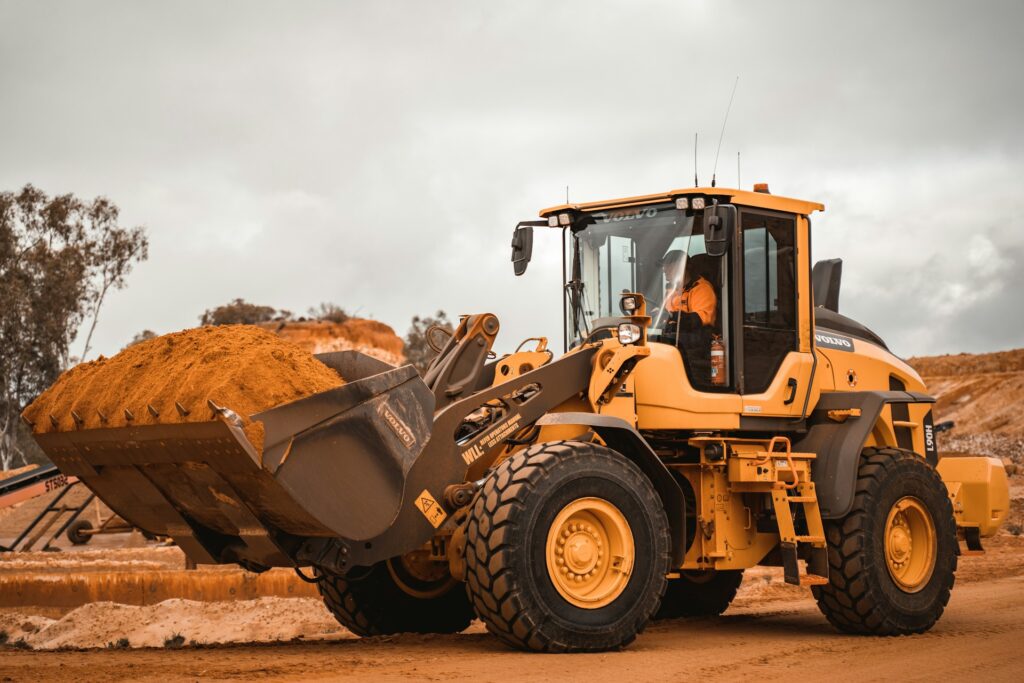
In Ontario, using a front end loader safely is important for effective job performance and the well-being of operators. Recognizing the significance of front end loader training in Ontario can be a key factor in supporting both safety and efficiency. Training helps individuals understand how these machines work, and it provides the necessary knowledge to follow safety protocols. By learning these skills, operators can prevent accidents and help make their workplace safer for everyone involved.
Understanding Your Front End Loader
Before operating a front end loader, it’s important to become familiar with its basic components. These machines typically include parts like a bucket for lifting materials, an engine for power, and hydraulic systems for operation. Knowing how these parts interact will help in operating the loader more effectively.
Learning about the control layout inside the cabin not only assists with operation but also builds confidence. Common controls include levers for lifting, tilting, and steering the loader, as well as switches for lighting and auxiliary systems. Operators who take time to understand these elements can act more decisively and safely on the job.
Reading and understanding the operator’s manual is not just recommended but essential. Each loader might have specific instructions, and the manual provides important insights into handling and maintenance. Familiarity with these instructions helps make sure the loader is used correctly and safely.
Another important step is conducting routine inspections before use. Checking for any signs of wear and tear on tires, looking for leaks in hydraulic hoses, and making sure all lights and brakes are working can prevent potential issues. These inspections help identify problems early, allowing for timely fixes.
Developing the habit of keeping the work area clear of hazards also supports safety. Ensuring walkways are free from debris, tools are organized, and warning signs are posted in high-traffic spots can make a positive impact. Having a clean and organized space around the loader means fewer distractions and reduces potential risks to both operators and others nearby.
Safe Operating Practices
Starting and stopping the loader might seem straightforward, but following safe practices is key. It involves knowing where to position the loader, starting it in neutral gear, and engaging the parking brake before shutting it off. Each step is focused on maintaining control and stability.
Keeping an eye on your surroundings is also important, especially in busy work areas with other workers and obstacles. Being aware reduces the risk of accidents and helps the loader operate smoothly. Making eye contact with nearby workers can help in signaling intentions, promoting safer operations.
Safety is not just about basic operation, but also about maintaining communication. Using hand signals, horns, or two-way radios can prevent misunderstandings, especially when visibility is low or the workplace is noisy.
Loading, carrying, and unloading materials require correct techniques to support stability and prevent spillage. For example, keeping the load close to the ground while moving can help with balance, while keeping the bucket halfway tilted back can prevent losing materials.
When traveling up or down slopes, adjusting your speed and keeping the loader pointed straight rather than at an angle helps reduce the risk of tipping. Avoid sudden turning or sharp manoeuvres when carrying a load, as this could affect the machine’s balance. These small adjustments, rooted in good training, contribute greatly to overall safety.
Weather Considerations and Safety
Ontario experiences a variety of weather conditions, and these can affect how you use a front end loader. Rain, snow, and ice all present different challenges, making weather an important factor in planning loader operations. In rainy conditions, surfaces can become slippery, requiring extra caution. Slowing down and avoiding sudden movements can help maintain control.
During winter, snow and ice present unique obstacles. Operating the loader with chains on the tires might provide extra grip, while keeping equipment sheltered when not in use helps it function properly.
Spring often brings wet conditions, which affect stability. Using designated paths for loaders that have been checked for firmness can prevent getting stuck or creating ruts.
Autumn can present its own set of challenges as falling leaves may cover debris or make surfaces slick. Operators should remain vigilant for items hidden under leaves, and extra care is needed to ensure that the loader remains stable and visible to others in the area.
It is important to adapt operations for each condition. Knowing when to pause operations due to severe weather or making small adjustments based on current conditions helps keep operators and equipment safe.
Preparing for weather is not just about the machine but for the operator too. Dressing in layers, wearing safety gear like high-visibility jackets, and taking breaks in extreme temperatures all help workers stay alert and comfortable.
The Role of Training and Certification
Front end loader training in Ontario is more than just a skill enhancement; it is about being proficient and safe. Training programs cover important safety protocols and operating techniques, providing hands-on experience that is critical for confidence and competence.
These programs often include instruction on recognizing and avoiding hazards, operating the loader effectively, and knowing the machine’s limits.
A good training program covers not only day-to-day operations but also how to manage emergencies. Learning to respond calmly to situations like sudden mechanical failure or challenging weather ensures that everyone remains safe.
Holding a valid training certificate in Ontario is not just beneficial; it is required for compliance with the Occupational Health and Safety Act. Without certification, operators might face legal issues, and it may increase the risk of workplace accidents. Certification acts as an extra safeguard for both workers and employers and highlights the importance of trained operators.
LIFT Training’s front end loader courses meet Ontario regulations and combine theory, practical evaluation, and real-world scenarios. Our certification management tools make it easy for businesses to track training progress, ensuring compliance for teams operating in all weather conditions.
Staying Safe Year-Round
Staying focused on the critical aspects of using a front end loader safely shows that understanding equipment, following safe operations, and considering the weather are all fundamental. These steps, along with proper training, help keep work environments secure and productive.
Safety practices are more than just a requirement; they lead to better outcomes and help build a culture of care and attention in the workplace. Ongoing learning and adherence to safety standards are parts of this continuous commitment. By remaining alert and informed throughout the year, operators help maintain a safer workplace, encouraging an atmosphere where everyone can do their best.
To keep your workplace safe and productive, proper training is important. We know that Ontario’s changing weather can affect front end loader operations, making it even more important for operators to be ready for local challenges. Completing front end loader training in Ontario with LIFT Training supports compliance and gives your team the confidence they need. When you are ready to invest in safety and skill, contact us for more information.