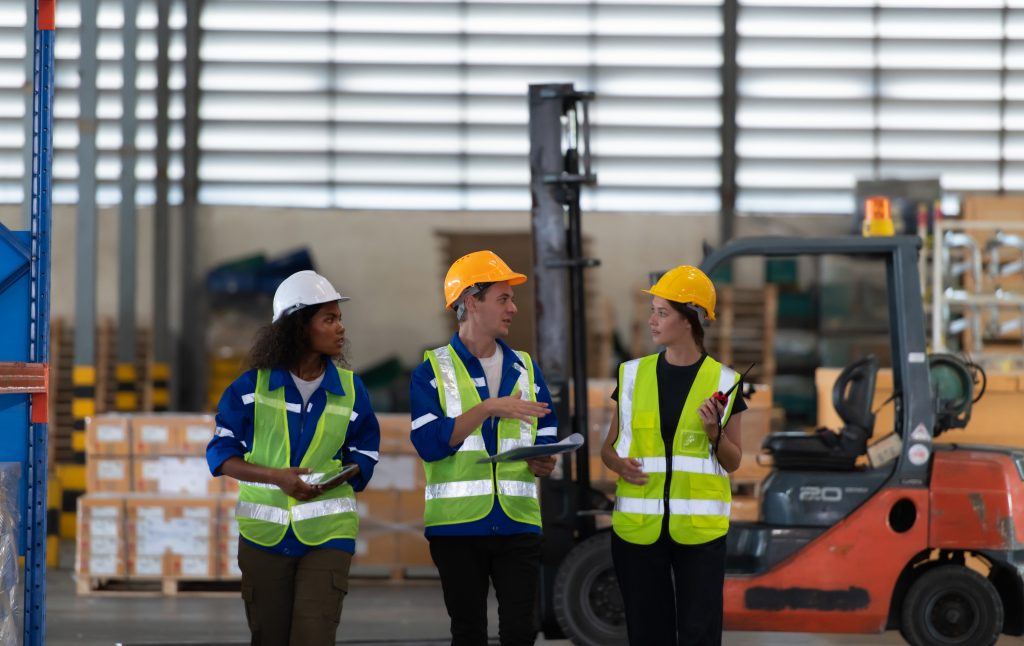
In our daily work environments, making sure health and safety come first is more than just following rules. It’s about protecting the people who make everything possible. This is where safe lift training becomes so important. By focusing on proper training for forklift operators, we help them gain skills and confidence, which are key for preventing accidents. This training, centered in safety, gives everyone in the workplace a safer and more secure environment. Taking part in safe lift training improves the abilities of the operators and also plays a big part in maintaining their health. Understanding why safe lift training matters keeps employees and employers on the same page, so everyone can do their part for a safer, healthier workplace. Let’s look at why it’s such a key part of workplace safety and see how it goes beyond following basic instructions.
Good safe lift training programs offer practical knowledge and a chance to review skills that are used every day on the job. Forklift operators and other material handlers can benefit from not just learning the “how-to,” but also the “why” behind safety rules. It’s more than checking a box for compliance; it’s about shaping a confident, prepared workforce where everyone can trust one another to operate equipment the right way.
Understanding Safe Lift Training
Safe lift training is about more than just learning how to use a forklift. It’s an important part of creating a safe work environment. By learning what safe lift training covers, employees can better see its role in preventing accidents. This training goes over several topics, making sure that operators are ready for real-life situations.
First, safe lift training explains the proper way to handle and move materials with a forklift, including starting, stopping, turning, and lifting. It stresses the steps that keep workers and bystanders out of harm’s way. Operators practice identifying hazards around the workplace, like uneven ground or tight spaces. Training includes discussion about what to do in emergencies, so if something goes wrong, operators already know what steps to take.
The Occupational Health and Safety Act (OHSA) in Canada highlights the need for training certificates, not just as a formality but as a core step in keeping the workplace safe. Certification shows that an operator has been taught to handle machinery responsibly, which lowers the risk of accidents. In Ontario, businesses can choose from both in-person and online training options. In-person sessions may offer hands-on practice, while online training gives flexibility for learning.
LIFT Training offers OHSA-compliant safe lift courses that include both theory and practical evaluation, delivered by experienced instructors. Certification management is also provided so businesses can easily track employee progress and renewal needs. For organizations, this service ensures every worker remains up-to-date, with fewer gaps in knowledge. When everyone can check their certification status easily, the business can focus more on daily operations instead of administrative headaches.
Safe lift training also often includes group discussions and real-life examples to help employees relate to the materials. People learn safety better when it’s tied to actual situations they might face on the job. This style of training also helps identify knowledge gaps, so instructors can correct them quickly, before they turn into unsafe habits.
Safety Benefits for Employees
Taking part in safe lift training greatly reduces workplace accidents and injuries. When employees know how to use equipment the right way, they are less likely to face situations that could lead to harm. Teaching the right lifting techniques helps prevent strain and injury, so workers stay healthy and able to do their jobs.
Employees who understand the safe use of forklifts and other lifting equipment tend to be more aware of their environment. They are less likely to cut corners or ignore safety guidelines, making daily operations much safer for everyone on site. For example, someone who has proper training will know not to pick up an uneven or overloaded pallet, or will check for obstacles before moving through a tight space. These small habits, when practiced by everyone, have a big impact on accident prevention.
Regular training is not just a one-time thing. It keeps operators’ knowledge fresh and current. This ongoing learning helps make sure they are up to date with safety rules and gives them the confidence to speak up if something feels wrong. Safe lift training gives them the tools to do their jobs safely and also helps keep everyone safe at work.
Another benefit is that trained operators can act quickly and correctly when something unexpected happens, such as a sudden equipment issue or a person walking through a high-traffic zone. Because they know what to do, they’re less likely to panic, which helps avoid further mistakes. This peace of mind helps build trust between employees and between the team and management.
Beyond reducing injury, safe lift training contributes to less time off the job, so businesses can keep running smoothly and don’t have to deal with extra downtime or staff shortages. When workers stay healthy, everyone benefits, work performance stays up, morale stays positive, and staff turnover drops. Workers are also more likely to feel invested in their company if they know their well-being is a priority.
Training Certificates and Compliance
Training certificates are more than just pieces of paper. They are very important for following OHSA rules. These certificates show that operators can safely handle tasks, helping to build a workplace focused on safety. For corporate clients, certificate management offers a lot of value. It gives an organized way to track who has finished their required training and when renewals need to happen.
Certification creates a constant feedback loop for improvement. Each time a certificate is renewed, employees revisit their skills and make sure they’re still in line with current safety standards. This process helps people remember things they might have forgotten and introduces new best practices that come with updated guidelines.
Companies see huge benefits from sticking to set training schedules, making sure they follow all safety standards. This forward-thinking method keeps employees informed and prepared for their duties, lowering risks tied to using heavy machinery. Certification connects safety rules with personal responsibility, creating a workplace that values safety and efficiency.
Tracking certificates is made easy with the right tools. Certification management provided by expert partners helps avoid missed renewal dates, lapses in compliance, or confusion about who needs new training. This streamlined approach helps supervisors stay ahead of OHSA audits and inspections. It also reassures employees that the company is looking out for everyone’s safety and supports them in staying up-to-date.
When companies maintain full compliance, it helps their reputation, builds customer trust, and keeps teams motivated. No one wants to work in a place that neglects safety or risks getting fined. By making certificate management a habit, everyone benefits from a clearer sense of order in how training happens and how staff progress through their roles.
The Role of Safe Lift Training in Employee Health
There is a clear link between safe lift training and employee health. When safety is the focus, it tells employees that their health matters, which leads to higher job satisfaction. Knowing they have received the right training gives employees confidence in what they do, helping them view their roles more positively.
By learning safe lifting practices and equipment handling, employees can prevent soreness, back strain, or other long-term injuries. Companies that prioritize health by supporting regular and high-quality training see the results in lower injury rates and more satisfied staff. Healthy workers can do their jobs with more energy and confidence, and are more likely to help their teammates when needed.
A safe workplace lifts both morale and productivity. When workers feel safe, they are more engaged and driven. They know they are cared for and valued, which builds a positive and efficient workplace culture. Sticking with safe practices over the long term changes how employees see their jobs, building loyalty and teamwork.
Employees are more willing to follow safety rules if they see good reasons and trust the training process. As a result, safe lift training becomes part of everyday life, rather than a chore to complete for compliance reasons. This also has lasting effects, encouraging employees to look out for one another and speak up about problems before accidents happen. The focus on health and support can inspire changes that ripple through the entire company, not just the operator team.
Enhanced Safety and Health Outcomes
Spending time and energy on safe lift training creates good results for both individuals and organizations. Employees with the right skills help shape a safer workplace, cutting down on accidents and supporting better health overall. When safety always comes first, it creates a culture that truly values its people.
Continued training helps build a culture of empowerment, encouraging staff to participate actively, refine their skills, and develop as professionals. Regular safe lift training also makes teams more connected, as they share not just tasks but a responsibility for keeping everyone safe.
Continuing training helps this culture grow, keeping safety and health as steady goals in the workplace. The payoff from safe lift training can be seen and felt across the whole organization, highlighting the importance of looking after employee health and well-being. With this commitment, work environments become safer, more productive, and better places to spend each day.
A workplace that invests in the safety and health of its employees by promoting safe lift training can see long-lasting improvements in all areas, from reduced injury rates and increased quality of work, to greater job satisfaction and a stronger reputation with customers and communities. A company with well-trained staff is more flexible, adaptable, and efficient, because everyone can trust their coworkers and count on safe practices being followed at every stage. The benefits extend from the warehouse and loading dock to company management and customers who depend on service and reliability.
At LIFT Training, we are committed to building a culture of safety and well-being by providing safe lift training that supports the health and security of Ontario workplaces. Our approach to thorough training helps every employee gain the knowledge and confidence needed to create a safer environment. By choosing a professional, secure learning experience, you are investing in your team’s safety, efficiency, and morale. Reach out to us today to take the next step in strengthening your workplace safety culture.