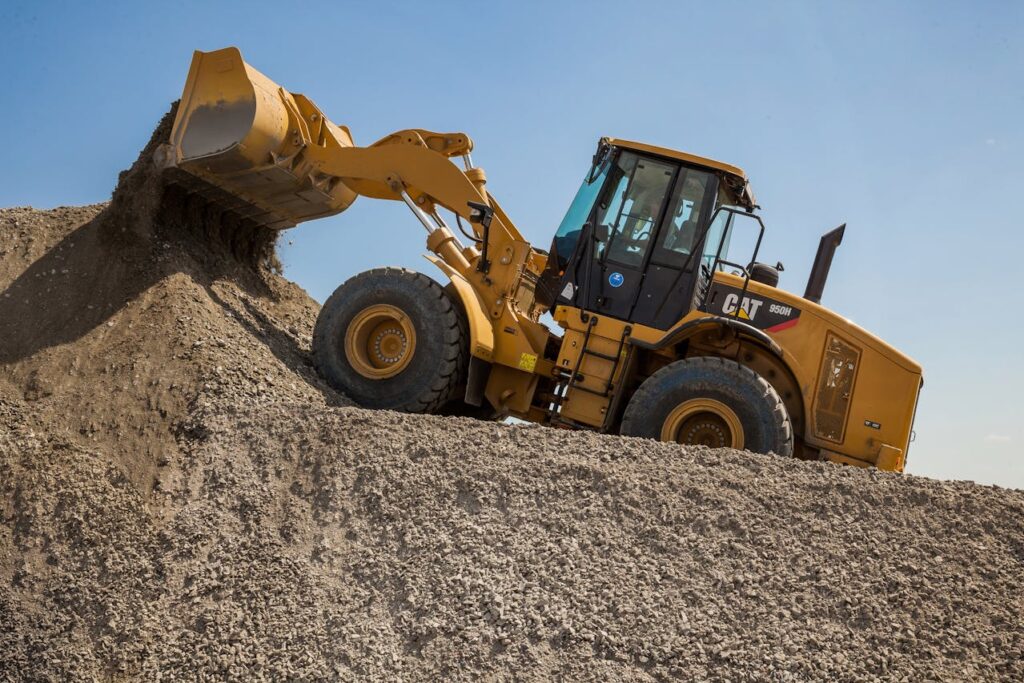
Front end loaders are important in various industries across Ontario. They help with everything from moving heavy loads to clearing areas efficiently. However, like any piece of machinery, they are not without their issues. Addressing operational problems with front end loaders ensures that work continues smoothly, minimizing disruptions to projects. Getting ahead of these common challenges not only saves time but can also protect the safety of workers on site.
When businesses focus on solving these issues, they can maintain a high level of productivity and ensure projects stay on schedule. By being proactive, companies also demonstrate a commitment to safety, which is valuable for both employees and clients. In Ontario, where the demand for heavy machinery is ever-present, understanding and resolving these operational problems is vital for maintaining the reputation and efficiency of businesses.
Common Operational Problems with Front End Loaders
Front end loaders can face several operational challenges. These issues, if not addressed, can lead to safety hazards and disrupt work processes. Here’s a breakdown of some common problems encountered:
– Improper Loading: Overloading or uneven loading can cause the loader to become unstable, risking tipping over.
– Poor Maintenance: Lack of regular servicing may lead to mechanical failures or decreased performance.
– Operator Error: Inadequate training can result in misuse of the machinery, causing accidents or damage.
– Terrain Challenges: Operating on uneven or unstable terrain can cause difficulty in maneuvering the loader.
– Environmental Conditions: Weather conditions like ice or mud can affect traction and handling.
These operational problems not only impact safety but can also lead to costly downtime. Businesses must be aware of these issues to maintain effective operations. Each challenge requires a thoughtful approach to ensure loaders are used correctly and efficiently within the working environment, particularly in diverse Ontario conditions.
Importance of Front End Loader Training in Ontario
Proper training on operating front end loaders is vital in preventing the operational issues mentioned earlier. Training ensures that operators know how to handle equipment safely, reducing the chance of accidents or equipment damage. In Ontario, specialized training programs can be incredibly beneficial, teaching operators about both technical skills and safety protocols.
For businesses, investing in front end loader training results in numerous benefits. Well-trained operators are more efficient and adept at identifying potential problems before they escalate. This proactive approach safeguards not only the operators but also the entire worksite. With knowledgeable staff, employers can rest assured that projects will move forward smoothly, within both budget and deadline constraints.
Effective Solutions to Operational Problems
Addressing operational problems with front end loaders starts with practical approaches. Regular maintenance checks are key. Set up a consistent schedule to inspect major components like the hydraulic system, tires, and engine. Catching small issues early before they become big problems is an effective strategy.
Here’s a simple checklist to help with this:
– Conduct visual inspections of the loader daily, checking for leaks or unusual wear.
– Lubricate all required parts as recommended by the manufacturer.
– Replace worn-out tires quickly to maintain stability and traction.
– Review the hydraulic system for leaks or any disturbed connections.
Operator competence plays a major role too. Encourage ongoing training sessions to sharpen skills and update workers on new equipment technologies. A well-informed crew often spots operational problems sooner, aiding in quick resolution.
Integrating Front End Loader Training into Workplace Safety Programs
To truly incorporate safety with operational efficiency, businesses should seamlessly blend front end loader training into existing safety programs. Start by evaluating what your current safety protocols cover. Integrating specific front end loader modules ensures more comprehensive safety measures. When you tie the core training elements with day-to-day operations, it becomes part of the workplace culture, not just an add-on.
Encourage information retention by:
– Using engaging training materials like videos and simulations.
– Encouraging questions and reflections during the training sessions.
– Implementing brief, hands-on refreshers every few months to reinforce key skills.
Employee engagement makes all the difference. Foster a supportive environment where workers feel comfortable identifying potential hazards without fear of judgment. This open communication fosters a safer workplace, ensuring everyone is on the same page regarding loader operations.
Ensuring Long-Term Safety and Efficiency
Adopting these measures helps secure both safety and operational efficiency in the long run. Beyond immediate benefits, this approach cultivates a work environment that values safety and understands its impact on productivity. Encouraging regular updates to safety and training programs keeps the knowledge fresh and relevant.
In Ontario, where front end loader use is significant, remaining committed to these practices ensures ongoing success. Prioritize continuous improvement, and remember that safety training is never a finished product but an evolving aspect of your operational framework. Investing time and resources now builds a foundation of safety and efficiency for the future.
Enhance your team’s capabilities and secure their safety by integrating front end loader training in Ontario into your workplace safety initiatives. LIFT Training offers comprehensive solutions to ensure your operators are prepared for any challenge, thus fostering a proactive work environment. Stay ahead in maintaining an efficient and safe worksite by investing in regular, specialized training today.