Warehouse work often involves moving heavy, bulky items from one place to another. To make this easier, we rely on equipment like warehouse overhead cranes. But using these tools safely is key. Today, we’ll look at common mistakes people make with overhead crane usage. These mistakes can affect safety and slow down the work. By using cranes properly, we can keep our warehouses safe and productive.
Warehouse environments are unique because of the diverse range of goods handled and the different equipment present. This means everyone working within these spaces must be aware of both their surroundings and how their actions affect general safety. Machinery like overhead cranes serves a vital role not just in moving stock efficiently, but in allowing team members to perform tasks that would otherwise be impossible due to weight and scale. Proper use and understanding are at the core of creating a safety-focused warehouse culture.
Understanding Overhead Crane Basics
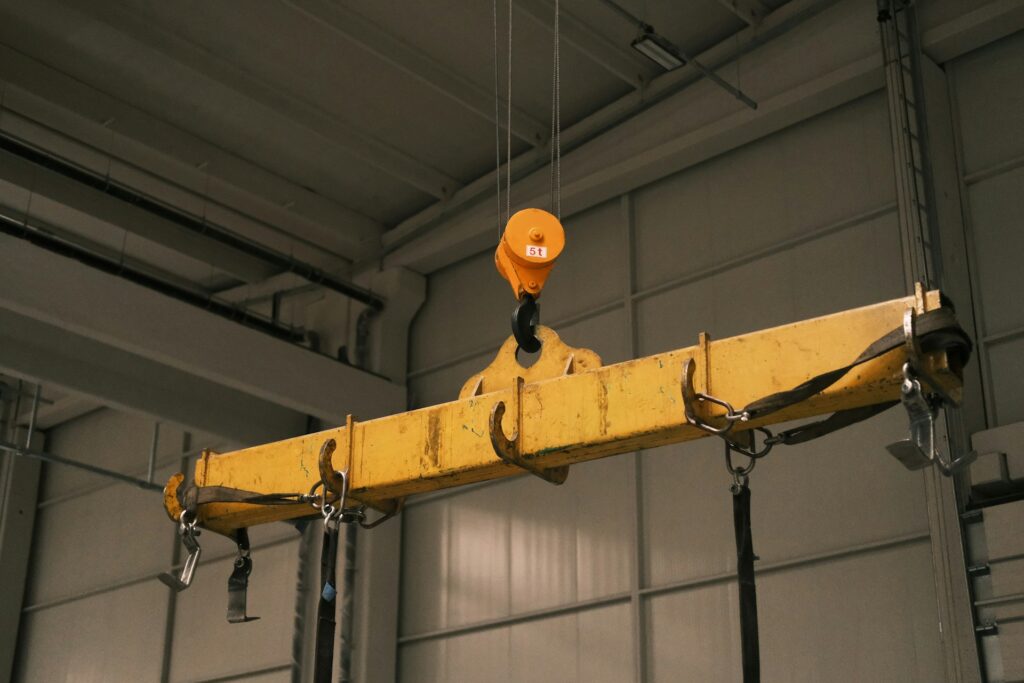
Warehouse overhead cranes are tools that lift and move heavy loads. They work by using a hoist to pick up and transport these loads over large areas. Picture them as large, movable arms that reach across the warehouse floor. In Canadian warehouses, we often find different types of cranes. Each type has specific uses and benefits. For example, some cranes are designed for lighter loads while others handle heavier items.
It’s important to operate cranes according to local regulations like the Occupational Health and Safety Act (OHSA). This law helps keep workplaces safe and workers protected when using this heavy machinery.
For companies to maintain compliance, it’s crucial that every employee understands these different types of cranes and is aware of the particular safety guidelines required for their situation. This includes equipment capacity, proper use of controls, and making sure only trained individuals operate this kind of machinery.
Cranes may come in forms such as bridge cranes, gantry cranes, and jib cranes, each suited to specific load sizes and orientations within the warehouse. Recognizing which crane to use for a certain task minimizes the risk of accidents and damage and contributes to the overall efficiency of the warehouse workflow. When operators have a solid grasp of the limitations and proper techniques for each type, they can reliably complete tasks in a manner that reduces hazards.
Common Mistakes in Overhead Crane Usage
Mistakes happen, especially when working in a fast-paced environment. Here are a few common errors in warehouse crane use that we should watch for:
• Overloaded Cranes: Each crane has a weight limit. Overloading can damage the equipment or cause accidents.
• Improper Rigging: Secure the load correctly to prevent it from swinging dangerously.
• Skipping Pre-Operation Checks: Before using the crane, always check that it is in good working condition. This includes cables, hooks, and the control panel.
It’s also a mistake to allow unauthorized or insufficiently trained individuals to operate the crane. Such actions greatly increase the risk of injury or equipment malfunction. Another pitfall is failing to communicate with colleagues on the floor, leading to the possibility of someone entering the lift zone while a load is moving. All of these simple missteps can result in injuries or disruptions.
Shortcuts might seem like a time-saver, but they often lead to mistakes. These mistakes can cause accidents, slow down work, and lead to costly repairs. Being mindful of these situations can help us keep a safer warehouse.
It is helpful to create a checklist for operators before use, covering the most frequent mistakes identified above. Posting this checklist in visible areas of the warehouse, and reviewing it regularly during safety meetings, keeps crane safety a front-of-mind concern for everyone on the team.
Preventative Measures and Best Practices
To avoid these common crane mistakes, we need to adopt good practices. Regular training is important. When everyone knows how to use a crane correctly, the risk of accidents goes down.
• Equipment Checks: Routine maintenance keeps the cranes in working order. Regular inspections mean catching small issues before they become big problems.
• Clear Communication: Using clear signs and signals helps everyone understand what’s happening around them. This prevents accidents and keeps the entire team on the same page.
• Environment Assessment: Before moving a load, operators should ensure their path is clear and that conditions such as lighting, floor space, and obstructions have been considered. Staying aware of surroundings can drastically reduce the chance of accidents.
• Recording and Reporting Issues: Team members are encouraged to note and report even minor issues with crane equipment. A well-organized maintenance log can ensure repairs happen promptly before minor problems turn into hazards.
Our overhead crane safety training at LIFT Training is available in both in-person and online formats, includes hands-on instruction, and meets Ontario regulations for operator certification. We teach practical inspection skills, safe load handling, and proper signaling, giving teams the skills they need to use cranes safely every day.
By focusing on these practices, we can help our warehouse run smoothly. It also shows the team that safety is always a priority.
Safe operations are not just an individual responsibility but a team effort. Making time for regular group reviews, sharing insights on recent incidents, or even discussing near-misses can support a proactive safety mindset. Adhering to best practices helps preserve equipment, protect staff, and keep productivity high.
Benefits of Professional Training and Certification
There is real value in professional training when it comes to crane usage. Training helps workers understand how to operate cranes safely and efficiently. Instead of training licenses, we provide proper training certificates. These certificates show that workers have the knowledge they need to work cranes safely.
Ongoing education is a steady reminder of best practices and keeps everyone sharp. Keeping up to date with training helps keep safety standards strong and meets OHSA requirements. Workers who feel confident in their skills tend to perform their duties better and feel more secure in their work environment.
Professional training ensures each operator understands not only how to use the equipment but why following the rules is key. In addition, certification reinforces a sense of accountability and competence among workers. Management should schedule regular refresher courses to reinforce foundational knowledge and address any regulatory changes, equipment upgrades, or emerging issues within the workplace.
Learning from real scenarios shared in training sessions helps team members relate to the risks involved and strengthens their awareness of safe protocols. Well-trained staff can recognize subtle warning signs of equipment wear, understand how to respond when something goes wrong, and share their knowledge with newer team members. Ongoing skills development boosts both group morale and job satisfaction by making daily tasks less stressful and more predictable.
Strengthening Warehouse Safety Through Smarter Practices
Using warehouse overhead cranes properly is an important part of keeping our work areas safe and efficient. By focusing on avoiding common mistakes and adopting best practices, we lay the groundwork for a safe warehouse environment. When we make training and safety a priority, everyone benefits. As we move forward, staying alert to possible problems and spreading awareness about safety helps make our operations stronger.
Safe crane use is a reflection of an effective warehouse safety policy in action. Accidents and injuries are often preventable with the right preparation and attention to detail. By committing to an ongoing process of inspection, careful communication, and collective responsibility, warehouses can foster a more trustworthy and secure work environment. A well-organized workplace, where everyone knows both the rules and the reasoning behind them, will see fewer disruptions and achieve its productivity goals more reliably.
At LIFT Training, we understand the importance of safe and efficient overhead crane usage in warehouses. Our commitment to health and safety training helps keep warehouse operations smooth and secure. Following best practices and steering clear of common pitfalls enables teams to maintain a steady workflow. We’re here to support businesses in Ontario and beyond in reaching their safety goals, so contact us to learn more about how we can help raise safety standards in your workplace.