Certified lifts play a significant role in keeping warehouse operations safe. When professionals handle these lifts with proper training certificates, they can improve safety and efficiency. In Ontario, the Occupational Health and Safety Act (OHSA) highlights the importance of maintaining safe practices with these machines. By focusing on the use of certified lifts, we aim to create a safe work environment that protects everyone involved. Throughout the province, workplaces benefit from implementing certified lift safety programs that address specific hazards present in different environments. Understanding the responsibilities and best practices tied to certified lift operation can impact both daily workflow and overall workplace culture.
Understanding Certified Lift Operations
Certified lift operations involve using lifts with the appropriate qualifications and knowledge to support workplace safety. In Canada, OHSA sets guidelines to ensure these operations run smoothly and safely. All workers involved with lifts must have the necessary training certificates. These certificates demonstrate that a worker is well-trained in operating the machinery safely. Without them, the risk of accidents increases considerably. It is similar to driving a car after passing a driving test; proper accreditation forms a foundation for secure daily operations. The focus on certification is not just about following rules, but about building a culture of safety and preparedness. Employers are responsible for ensuring that only properly trained and certified employees operate lifts. It is also important to have clear documentation of completed training and to keep records updated, both for compliance and for ongoing skills development.
LIFT Training’s certified lift programs in Ontario meet and exceed regulatory requirements and are available in both online and in-person formats. Our courses include written theory modules, hands-on evaluation, workplace-specific instruction, and practical skills assessments guided by industry-experienced trainers. When choosing a training program, look for one that offers a mix of essential theory, practical exercises, and workplace-specific scenarios to suit each employer’s needs. Having trainers with industry experience helps bridge the gap between theory and the real-life situations employees will face in the warehouse.
Key Safety Precautions for Certified Lift Usage
There are several safety measures workers must follow when using certified lifts to keep everyone safe in the warehouse. Regular checks and maintenance are a priority, making sure the equipment functions properly and safely. Another important aspect is clear communication on the floor. Having a set of signals helps everyone stay informed about what actions are taking place, reducing the chance of accidents. Applying safety practices consistently can quickly become a habit, which helps encourage a safety-first culture among staff in Ontario’s warehouses.
Here’s what workers need to keep in mind:
• Conduct regular equipment inspections and maintenance to catch potential issues early.
• Use clear hand signals and verbal commands to maintain effective communication.
• Stay aware of surroundings to prevent collisions or mishaps.
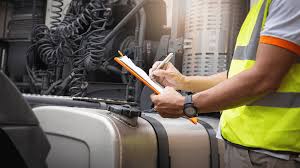
Pre-use inspections should be done every shift to check for any damage or malfunction. Operators should also read and understand any signage posted in work areas, listen for alarm signals from other machines, and ensure that all aisles and lanes remain clear of obstructions. Wearing the proper personal protective equipment and maintaining three points of contact while mounting or dismounting lifts further reduces the risk of injury. Cooperation between staff is key to catching unsafe behaviours early, and reporting issues promptly strengthens the safety net for everyone.
By following these safety measures, workers can help maintain an accident-free environment, protecting themselves and those around them. Supervisors should reinforce safety messaging with ongoing reminders and encourage questions about safe equipment use to keep everyone engaged and informed.
Common Challenges in Certified Lift Usage
Even when safety precautions are followed, challenges can occur while using certified lifts. One common issue is improper load management. When loads are not handled correctly, the risk of accidents grows. It is necessary to position and secure loads properly to prevent shifting during transport. Another challenge is respecting weight limits. Overloading a lift can result in equipment failure or accidents. Other obstacles may include poor lighting, crowded work areas, or sudden changes in warehouse layout during busy periods. Adapting to these conditions requires quick thinking and diligent application of basic safety rules.
To help workers handle these challenges, here are some practical solutions:
• Make sure all loads are secured and balanced properly before lifting.
• Frequently verify and respect the lift’s weight capacity to prevent overloading.
• Monitor closely for any signs of stress or malfunction in lifts.
Every LIFT Training program covers hazard identification, workplace inspections, and the importance of correcting unsafe conditions, empowering operators to proactively address potential risks. Spotting hazards early, such as blocked exits or uneven flooring, makes it easier for workers to avoid accidents and maintain efficiency during busy shifts. If a lift begins to make unusual noises or is harder to maneuver, operators should notify a supervisor and stop using the equipment immediately. Addressing issues right away can prevent accidents and limit equipment downtime.
These strategies help overcome common issues and contribute to a safer workplace for everyone involved. Ongoing education and support from supervisors further encourage good habits and allow teams to manage changing conditions with confidence.
Enhancing Safety through Professional Training
Professional training greatly improves the safety and efficiency of certified lift use. Ongoing education keeps skills current and knowledge up to date. When workers understand how to use lifts properly, they are less likely to make mistakes that could lead to accidents. Training builds confidence among employees. Knowing they have the skills to operate lifts safely reduces anxiety and supports strong job performance. Over time, this fosters a workplace culture where everyone looks out for each other and values learning as an ongoing process.
Regular refresher courses also support workers by sharing the latest safety practices and tips. These courses help employees brush up on procedures they may not use every day and remind them of new or changing requirements set by OHSA. Repeating key concepts in multiple formats, like group discussions, visual aids, and hands-on exercises, ensures that everyone understands what is expected and knows how to apply safety measures while operating certified lifts.
With continuous learning, the workforce becomes more capable and prepared to address challenges as they arise. By supporting employee growth, organizations benefit from fewer workplace injuries, better equipment care, and a dependable, knowledgeable team. Encouraging workers to ask questions, offer suggestions, or share their experiences can further enhance the effectiveness of training programs and promote a positive safety atmosphere.
The Road to a Safer Workplace
Maintaining the safe use of certified lifts in Ontario requires a commitment to safety protocols and training. Certified professionals are better prepared to operate lifts, reducing the chance of accidents and supporting a safe work environment. By following important safety precautions and dealing with challenges directly, workers can confidently use certified lifts without compromising safety. As these standards are maintained, the workplace becomes safer and more productive for everyone. Supervisors, employees, and training providers all play a role in making safety an everyday reality. Ongoing communication and regular skills updates reinforce the shared responsibility for safety across the organization.
Using a certified lift safely is necessary for keeping a warehouse environment accident-free. At LIFT Training, we are committed to ongoing education that helps workers stay skilled and confident when operating these machines. Learn about our health and safety training programs to keep your team’s skills current, or contact us with any questions about how we can support your training needs.