Working at heights certification in Ontario is more than just a formality. It’s a key part of making sure that workplaces stay safe for everyone involved. This certification matters because it helps lower the chance of accidents, making sure that all employees know the best things to do when working up high. As we head into the winter months, it’s good to keep in mind how this training helps keep our safety standards current, especially with the Occupational Health and Safety Act (OHSA) guiding these rules.
Understanding the Need for Certification
Certification is needed for many types of jobs in construction, maintenance, and different industrial areas. These jobs often mean workers are on rooftops, ladders, and scaffolds. The working at heights certification acts like a shield against accidents and helps everyone be more aware about safety. Without proper training, the risks of falls and other hazards go up a lot.
OHSA has an important role in making sure these certifications matter, since it spells out the laws and standards we must follow. By sticking to these rules, we do more than just follow the law; we also help make sure everyone goes home safe at the end of the day. Knowing about these legal rules is important because it shapes how we do our work safely.
When we look at different industries, it’s easy to see that many workplaces have people doing tasks far above the ground every single day. For example, in construction, you might find team members on scaffolds, while in warehouses, some staff use ladders to reach tall shelves. In building maintenance, workers often need to access roofs, windows, or other high points for cleaning or repairs. Each of these jobs brings risks that can be managed with proper certification and training. Even in places where working at heights is not a daily event, it is important that everyone knows what to do to stay safe when it is needed. That is where having up-to-date training really makes a difference, and it can also help make employees more aware of risks, not just while they are on ladders or scaffolds, but when moving materials or working close to edges.
Key Components of the Certification Process
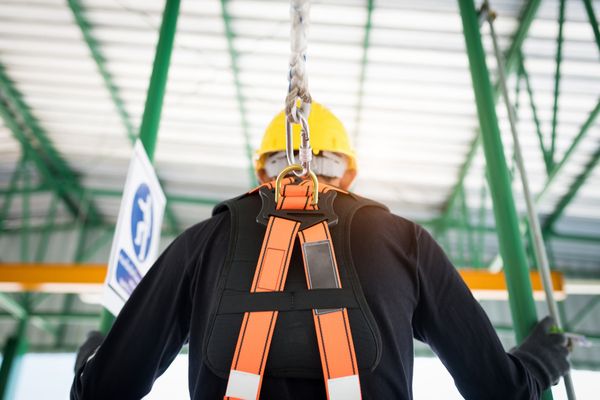
Getting a working at heights certification has a few key parts. People taking the training learn about how to use personal protective equipment, like harnesses and lanyards. Learning how to check this equipment before using it is important, as is knowing the right way to set up safety nets and guardrails. Training also includes practice sessions, where safe climbing and positioning techniques are shown and tried out.
Hands-on learning is a big focus in most certification programs. As people practice putting on their harnesses, tying off lanyards, and working with ladders or guardrails, they get a real understanding of why each safety step matters. Instructors will usually point out common mistakes to watch out for, like not checking that equipment fits properly or missing signs of wear and tear. Checking harnesses for fraying, making sure lanyards are the correct length, and ensuring guardrails are firmly in place is essential for both new learners and experienced workers refreshing their skills.
The certification process matches OHSA rules by including more than just physical safety steps. It also focuses on being aware of what is happening around you. Knowing how to spot possible hazards and what to do if you see them is a big part of the training. This helps workers be ready for different situations they might see at work.
One important part of the process is learning how to assess the workspace for hazards. During training, workers learn to look at not just their immediate area, but also their surroundings. They are shown how to spot potential tripping hazards, unstable surfaces, or areas where tools might fall. In some programs, learners work together to talk through risk scenarios, sharing ideas about how to stay safe. Communication and teamwork are also highlighted, since everyone is responsible for both their own safety and the safety of those working nearby.
How Certification Benefits Employers and Employees
Certification brings many benefits to both employers and employees. For companies, having certified workers means fewer accidents, which can mean less time stopped at work and less paperwork for insurance. It also shows clients that the business puts safety high on their list.
Employers who keep up to date with certifications notice that their teams often work more smoothly together. When everyone is comfortable with safety rules, projects tend to move faster and incidents are less likely. A team that feels secure at work will pay more attention, avoid mistakes, and look out for one another. Clients and project partners will also notice when a business takes safety seriously, which can lead to repeat work or bigger contracts.
Employees get a boost in confidence and skills, knowing they have been trained to do their jobs the right way. With this training, workers feel sure handling tasks at height, not just looking after themselves but also the people working nearby. Being ready for emergencies is another positive outcome, since trained employees know how to respond with caution. The peace of mind that comes with certification can help people stay positive and focused at work.
Another benefit for employees is the opportunity to learn about the latest tools and equipment. Training sessions often introduce workers to new products or procedures, making sure that everyone is aware of the best options for keeping safe. If a new kind of harness or fall-arrest device becomes available, recertification ensures workers know how to use it properly.
Keeping Certification Up to Date
Like other work qualifications, keeping certification current matters. Regular recertification programs help workers keep up with new safety practices and changes in safety equipment. Rules can change, and keeping up with these updates is needed to stay in line with OHSA.
When rules or industry standards change, updated certification helps make sure everyone is working safely and legally. Setting up reminders or calendar notifications is one simple way to make sure certificates do not expire. Some workplaces use apps or learning management systems to keep track of when each person needs to renew their training. This planning can help avoid last-minute scrambles and ensures there are no gaps in a worker’s qualifications.
To help certifications not expire, it helps to set up reminders for when it’s time to renew. Using digital tools or working with a certification management service can make sure this is easy. Doing this helps protect both the safety of each worker and the overall safety of the workplace.
Workers who renew their certification regularly are also better prepared to handle changes on the job. New equipment, shifts in the way jobs are done, or updated best practices can all be covered during recertification. As jobs become more complex or work sites change, workers who stay up to date are in the best position to adapt.
Elevating Safety with LIFT Training
At LIFT Training, we make it easy to meet all legal obligations for working at heights in Ontario by offering both in-person and online certification courses. All of our working at heights programs are approved by the Ontario Ministry of Labour, Immigration, Training and Skills Development, so your team receives training that meets the province’s current standards. We provide flexible scheduling and on-site options for groups, making it simple to train your team without disrupting daily operations.
Our instructors have real experience and understand the types of hazards teams face every day. Training sessions are designed to match real-world situations while following OHSA guidelines for protection and safety. We aim to create an environment where everyone feels confident to ask questions and improve their safety skills. No matter the industry or size of your group, our programs are designed to fit the needs of all types of workplaces.
All students receive practical demonstrations and the chance to practice skills hands-on. We believe that learning works best when participants feel included and can try everything for themselves. Feedback from instructors helps workers understand what they are doing right and where they can improve, creating a supportive atmosphere that encourages everyone to do their best.
If your business is growing or changing, we are here to help you make sure every new and current employee is up to date with their certifications. Our ongoing support means you can call or email whenever questions come up about new requirements, upcoming renewals, or scheduling training.
Ensuring a Safe Work Environment Year-Round
The use of working at heights certification lasts through all seasons. As the year goes on, keeping a safe workplace means making safety training an ongoing habit. Keeping up with learning and following safety rules means that as things on the job change, safety is always put first. Putting a spotlight on this effort creates a place where safety is always top of mind. With good training and regular updates, everyone at work stays safer, no matter the project or time of year.
At LIFT Training, we understand how important it is to keep up with the latest safety standards. With working at heights certification, your team can confidently meet the requirements set by the Occupational Health and Safety Act. This certification helps protect your employees, reduce risks, and build a culture of safety throughout your workplace. By making sure everyone is properly trained, you create an environment where safety remains a top priority year-round. Contact us today to find out how we can help maintain your team’s safety and compliance.